Nail fungus is a stubborn, frustrating, and often embarrassing condition that affects millions of people worldwide. Discolored, thickened, brittle, or crumbling nails can significantly impact confidence, hygiene, and overall nail health. In this comprehensive guide, we explain exactly how to remove fungus from nails, using clinically proven methods, natural remedies, proper nail care routines, and long-term prevention strategies that actually work.
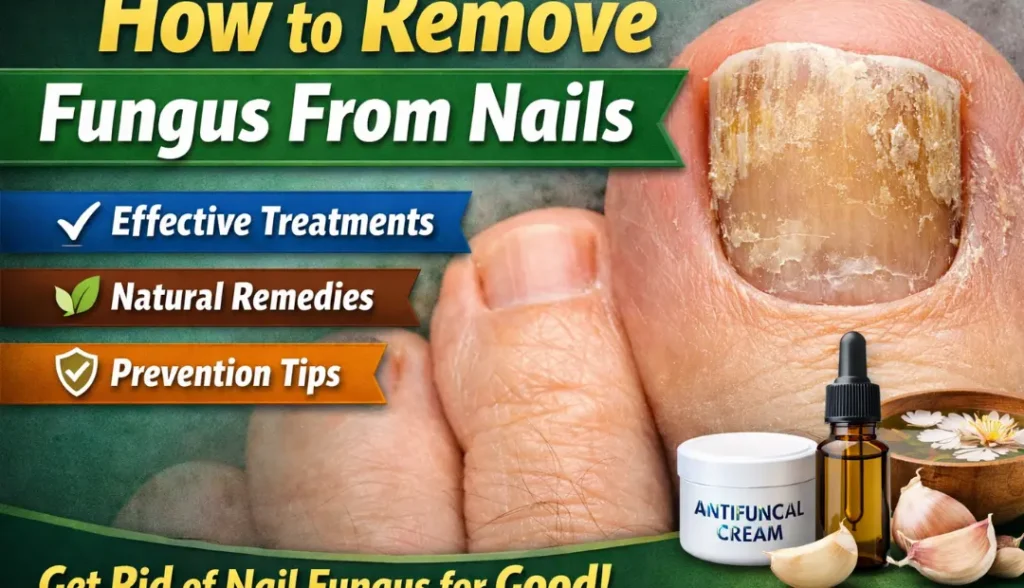
This article is designed to be clear, actionable, and results-focused, helping you restore healthy, clear, and strong nails safely and effectively.
Understanding Nail Fungus (Onychomycosis)
Nail fungus, medically known as onychomycosis, is a fungal infection that develops when fungi invade the nail bed, nail plate, or surrounding skin. These fungi thrive in warm, moist environments, making toenails particularly vulnerable.
Common Signs of Nail Fungus
- Yellow, white, or brown nail discoloration
- Thickened or distorted nail shape
- Brittle, crumbly, or ragged nail edges
- Unpleasant odor from the nail
- Separation of the nail from the nail bed
Early detection is critical. The sooner treatment begins, the easier it is to eliminate nail fungus completely.

What Causes Nail Fungus to Develop
Understanding the root cause helps prevent recurrence. Nail fungus typically develops due to:
- Prolonged moisture exposure
- Wearing tight or non-breathable footwear
- Walking barefoot in public places
- Poor nail hygiene
- Minor nail injuries
- Weakened immune system
- Excessive sweating
Fungal spores can enter through tiny cracks in the nail, multiply rapidly, and spread if untreated.
How to Remove Fungus From Nails Naturally
Natural remedies can be highly effective in early or mild cases when used consistently.
Tea Tree Oil Treatment
Tea tree oil contains powerful antifungal and antiseptic properties.
How to use:
- Clean and dry the affected nail
- Apply a few drops of 100% tea tree oil
- Massage gently into the nail and cuticle
- Repeat twice daily
Apple Cider Vinegar Soak
Apple cider vinegar creates an acidic environment that inhibits fungal growth.
How to use:
- Mix equal parts apple cider vinegar and warm water
- Soak nails for 20–30 minutes daily
- Dry thoroughly afterward
Garlic Antifungal Remedy
Garlic contains allicin, a potent antifungal compound.
How to use:
- Crush fresh garlic cloves
- Apply paste to the affected nail
- Cover for 30 minutes
- Rinse and dry completely
Baking Soda Application
Baking soda absorbs moisture and neutralizes fungal environments.
How to use:
- Create a paste with baking soda and water
- Apply to nails and leave for 10–15 minutes
- Rinse and dry thoroughly
Over-the-Counter Antifungal Treatments That Work
For moderate infections, topical antifungal products provide reliable results when used correctly.
Antifungal Creams and Ointments
- Clotrimazole
- Terbinafine
- Ketoconazole
Apply directly to clean, dry nails once or twice daily for several weeks.
Medicated Nail Lacquers
Prescription-strength antifungal nail lacquers penetrate the nail plate more effectively and are ideal for stubborn infections.
Consistency is essential. Skipping applications delays recovery.
Professional Medical Treatments for Severe Nail Fungus
When home remedies fail, advanced treatment options offer higher success rates.
Oral Antifungal Medications
Doctors may prescribe oral antifungals that work from within, targeting the infection at its source.
Laser Nail Fungus Treatment
Laser therapy destroys fungal cells without damaging surrounding tissue. It is:
- Non-invasive
- Pain-free
- Highly effective
Nail Removal in Extreme Cases
In severe infections, partial or complete nail removal allows antifungal treatments to reach the nail bed directly.
Daily Nail Care Routine to Eliminate Fungus Faster
A disciplined nail care routine accelerates healing and prevents spread.
- Keep nails short and trimmed
- Clean nails daily with antifungal soap
- Dry feet and hands thoroughly
- Change socks daily
- Disinfect nail tools after each use
- Avoid nail polish during treatment
Healthy habits dramatically increase treatment success.
How to Prevent Nail Fungus From Coming Back
Prevention is just as important as treatment.
Smart Footwear Choices
- Wear breathable shoes
- Avoid tight-fitting footwear
- Rotate shoes to allow drying
Hygiene Best Practices
- Avoid walking barefoot in public showers
- Use antifungal foot powders
- Keep feet dry at all times
Boost Nail Immunity Naturally
- Eat a nutrient-rich diet
- Stay hydrated
- Support immune health with proper sleep
How Long Does It Take to Remove Nail Fungus Completely
Nail fungus removal requires patience. Nails grow slowly, and visible improvement can take time.
- Mild cases: 4–8 weeks
- Moderate cases: 3–6 months
- Severe cases: Up to 12 months
Consistency, discipline, and proper care ensure permanent results.
Common Mistakes That Delay Nail Fungus Healing
Avoid these common errors:
- Stopping treatment too early
- Covering infected nails with polish
- Reusing contaminated shoes or socks
- Ignoring foot hygiene
- Skipping daily applications
Correcting these habits dramatically improves recovery speed.
Removing Nail Fungus Effectively
Removing nail fungus is absolutely achievable with the right combination of targeted treatment, disciplined nail care, and preventive habits. Whether using natural remedies, topical solutions, or professional treatments, the key lies in consistency and proper hygiene.
Healthy nails are not just cosmetic—they reflect overall wellness, cleanliness, and confidence. By following this complete guide, we ensure long-lasting, fungus-free nails that stay strong and clear.